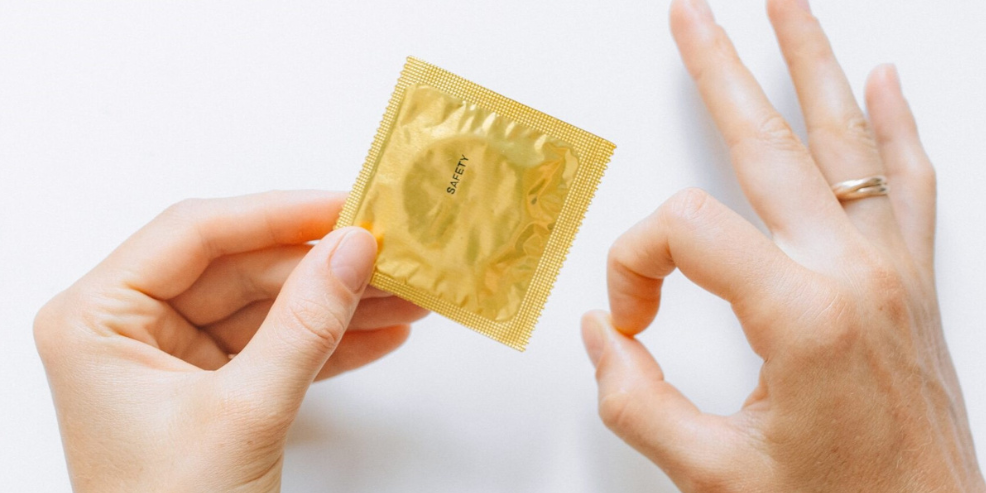
“Ultra-thin” is one of the most common claims on a condom box, and one of the least standardized. There’s no single legal definition of what counts as thin versus ultra-thin, which means the actual latex wall thickness can vary meaningfully between brands using the same marketing word. Understanding how thickness is measured — and what it does and doesn’t do to sensation — makes it much easier to compare products on something more useful than the label.
How Thickness Is Actually Measured
Condom wall thickness is measured in microns (thousandths of a millimetre) at several points along the shaft, since the dipping process that forms the condom naturally produces a slightly uneven film rather than one uniform thickness. ISO 4074, the international standard covering natural rubber latex condoms, sets minimum thickness and burst requirements but does not define fixed thickness bands for “regular,” “thin,” or “ultra-thin” — those categories are set by individual manufacturers.
Typical Thickness Ranges by Category
While exact figures vary by manufacturer, most latex condoms on the market fall into roughly these bands:
- Standard: approximately 0.06–0.08mm (60–80 microns)
- Thin: approximately 0.045–0.06mm (45–60 microns)
- Ultra-thin: approximately 0.03–0.045mm (30–45 microns)
Every one of these has to independently pass the same air-burst and water-leak testing required by ISO 4074 — thinner does not mean less rigorously tested, it means the manufacturer has tighter control over consistency during dipping.
What Actually Changes Sensation
Thickness is only one variable, and often not the most significant one. Several other factors affect sensation as much or more:
- Fit — a condom that’s the wrong nominal width for the wearer changes sensation far more than a few microns of latex ever will, which is covered in more depth in our condom sizing guide.
- Lubrication amount and type — under-lubrication is one of the most common causes of reduced sensation and discomfort, independent of thickness.
- Texture — ribbing, dotting, or contoured shapes affect sensation through surface contact rather than wall thickness.
- Material — latex, polyisoprene, and polyurethane all transmit heat and pressure slightly differently at the same thickness.
The Trade-Off Between Thinness and Strength
There is a real engineering trade-off here: as latex film gets thinner, small variations during dipping matter more, and manufacturing tolerances have to tighten to keep burst pressure and pinhole rates within ISO 4074 limits. This is why ultra-thin lines are typically produced on more tightly controlled production runs, with closer monitoring at the dipping and curing stage, rather than simply being a standard condom run through a faster dip.
Choosing Between Thin and Ultra-Thin
For most users, the difference between a well-made thin and ultra-thin condom is subtle, and personal preference plays a larger role than the marketing suggests. What matters more is buying from a manufacturer that publishes its testing standard and doesn’t cut minimum thickness to make an “ultra-thin” claim at the expense of consistent burst performance.
A Note for Brands and Distributors
Thickness is one of the first specifications to lock down in a private-label or OEM development project, since it interacts directly with mould selection, dip count, and cure time. It’s worth discussing target thickness alongside lubricant type early in development, since the two are tested and finalized together rather than in isolation.