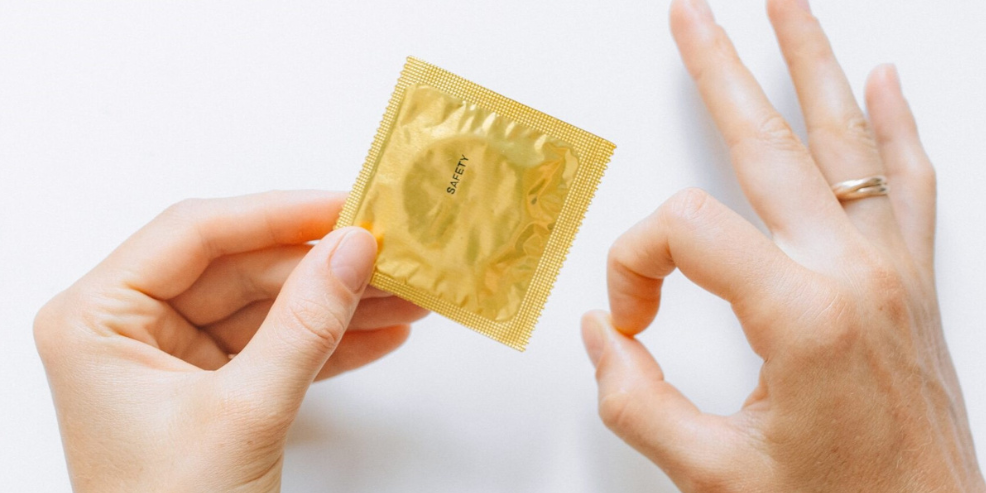
Most people who buy a box of condoms never think about where the material actually comes from. Natural latex condoms begin their life not in a factory, but in a tropical plantation, tapped drop by drop from a living tree. What follows is a tightly controlled industrial process that turns that raw sap into one of the most rigorously tested medical devices most people will ever use. Understanding the journey helps explain why quality, sizing, and material choice matter as much as they do.
It Starts With a Tree: Tapping Hevea Brasiliensis
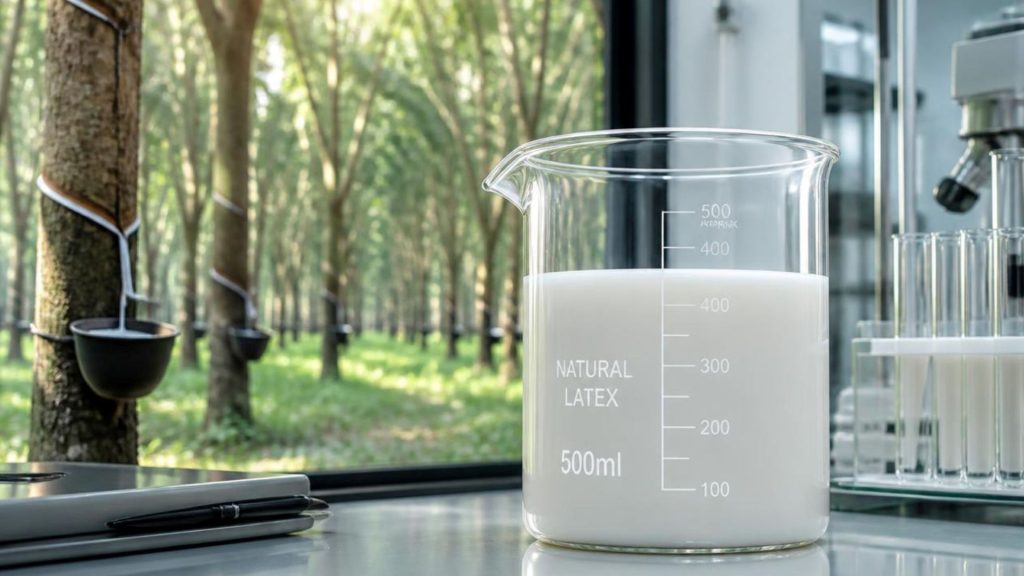
Natural rubber latex comes from the Hevea brasiliensis tree, grown across tropical belts in Southeast Asia and parts of Africa. Workers make a shallow diagonal cut in the bark, and the tree releases a milky white sap called latex, collected in a small cup over several hours. A single tree can be tapped every day or two without lasting harm, which is part of why rubber cultivation has remained a stable, renewable industry in producing regions for well over a century.
Concentrating and Compounding the Latex
Freshly tapped latex is mostly water and needs to be concentrated before it is useful for condom production. Manufacturers typically centrifuge the raw sap to increase the proportion of rubber solids and remove plant debris and impurities. Ammonia is commonly added at this stage to stop the latex from prematurely coagulating during transport and storage. Once it reaches the factory, the concentrated latex is compounded — blended with vulcanising agents such as sulphur and zinc oxide, along with stabilisers and antioxidants, to give the finished film the strength, elasticity, and shelf life a condom requires.
The Dipping Process: Where a Condom Takes Shape
Condoms are formed on glass moulds, known as formers, shaped to the correct length and nominal width. These formers pass along a production line and are dipped directly into tanks of compounded latex. A single dip is not enough to build a reliable barrier, so most manufacturers use a double- or triple-dip process, with a drying stage between each pass. This layering is what gives the finished condom its even thickness and helps eliminate the pinholes that a single dip could leave behind.
Curing, Leaching, and Stripping
After dipping, the latex film is cured in an oven, a heating step that completes vulcanisation and gives the rubber its final elasticity and tensile strength. Many manufacturers then run the formers through a leaching bath — typically warm water — to wash out residual water-soluble proteins and processing chemicals. This step matters beyond shelf appeal: reducing residual proteins is one of the main ways manufacturers lower the allergenic potential of the finished latex, a topic covered in more depth in our guide to latex allergy symptoms and alternatives. Once cured and leached, the thin latex film is dusted with a fine powder, usually cornstarch, and stripped off the former by machine or by hand.
Rolling, Cutting, and Assembly
The stripped film is trimmed to length, and the open end is rolled into the familiar ring shape using rotating brushes, which also reinforces the rim so the condom can be unrolled without tearing. At this stage, the reservoir tip — the small teat that collects fluid during use — is also shaped and checked for consistency. Every part of this stage is monitored closely, since even minor variation in wall thickness can affect both comfort and reliability.
Testing Every Condom Before It Leaves the Factory
- Electronic pin-hole testing: every single condom, not just a sample, is passed over an electrode and immersed briefly in a conductive solution; any hole in the latex completes a circuit and the unit is automatically rejected.
- Water-leak testing: a randomised sample from each batch is filled with a set volume of water and inspected for leakage.
- Air-burst testing: condoms are inflated with air in a controlled chamber until they burst, and the volume and pressure at failure are recorded against the limits set out in ISO 4074, the international standard for natural rubber latex condoms.
- Visual inspection: staff and machine vision systems check for defects such as a distorted rim, discolouration, or foreign particles.
These are the same testing protocols behind the sizing tolerances described in our condom sizing guide — quality and fit are managed together, not as separate concerns.
Lubrication, Foiling, and Packaging
Finished condoms are lubricated, most commonly with a silicone-based oil applied in a controlled quantity, then individually sealed into foil wrappers under conditions designed to keep out air and moisture. Foils are batch-coded and date-stamped, and finished cases are held for a final quality release before they are cleared to leave the factory. From here, cartons move into distribution — whether that is a public health programme, a pharmacy chain, or a private-label partner’s own retail packaging.
From Factory Floor to Pharmacy Shelf
By the time a box reaches a retail shelf, each individual condom inside it has already been electronically tested, and the batch it came from has passed multiple further checks against an international standard. That is a meaningful amount of process standing behind a product that often costs less than a cup of coffee. Nulatex, established in 2004, runs this entire process in-house for both OEM condom manufacturing and its own in-house brands, with every unit produced tested to ISO 4074 before it ships.