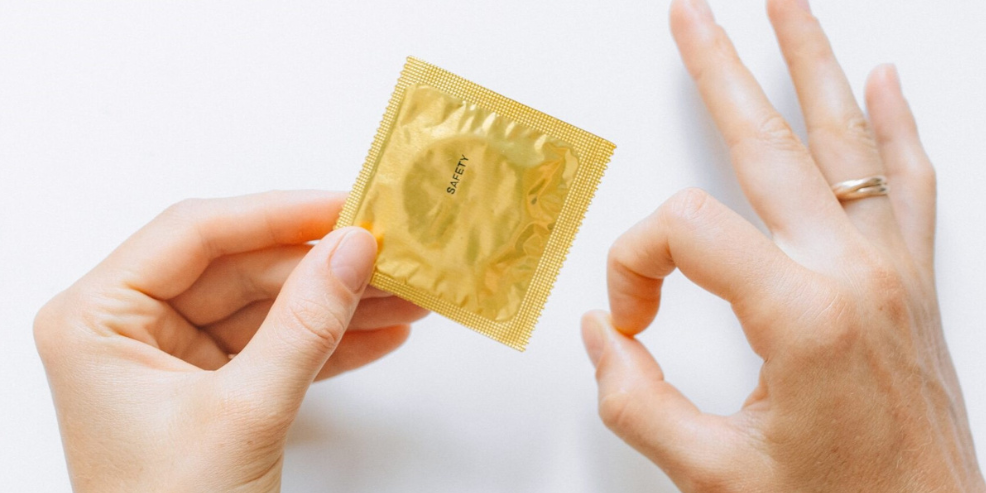
A condom without adequate lubrication is a condom at elevated risk of failure. Friction degrades latex, increases the likelihood of breakage, and reduces sensation — all three outcomes are preventable. Yet lubricant compatibility is one of the most misunderstood aspects of condom use. This guide covers everything you need to know. You can also browse Nulatex personal lubricants directly.
Why Lubricant Compatibility With Latex Matters
Natural latex is a polymer network. When it comes into contact with oil-based substances — petroleum, mineral oil, vegetable oils, animal fats, lanolin — the oil molecules penetrate the polymer chains and disrupt the cross-links that give rubber its strength and elasticity. Studies have shown that exposure to oil-based lubricants can reduce a latex condom‘s burst strength by more than 90% within 60 seconds of contact. The condom does not visibly tear or change appearance. It simply becomes dramatically weaker — and can fail silently during use.
This is not a minor technical detail. It is the reason that oil-based lubricants are clinically contraindicated for use with natural latex condoms. The same applies to polyisoprene synthetic condoms. Polyurethane condoms are the only category compatible with oil-based lubricants.
The Three Categories of Personal Lubricant
- Water-Based Lubricants
Water-based lubricants are safe for use with all condom materials including natural latex, polyisoprene, and polyurethane. They are non-staining, easy to clean, and compatible with all sex toys. For a broader look at how lubricants interact with condoms and barrier methods, read How to Use Lubricants Correctly with Condoms, Finger Condoms, and Latex Dental Dams.
The primary limitation of water-based lubricants is that they dry out during extended use as the water component evaporates, requiring reapplication. Some formulations can become tacky as they dry.
- Silicone-Based Lubricants
Silicone-based lubricants are fully compatible with natural latex and polyisoprene condoms — a point that is frequently misunderstood. The oil that is contraindicated for latex is organic oil. Silicone is an inorganic polymer that does not interact with the latex matrix in the same way. For the complete pH and formulation picture, see Intimate Health and pH Balance: What Your Body Needs in a Personal Lubricant.
The advantages of silicone lubricants are significant: they do not evaporate or absorb into skin, meaning a small amount provides extended lubrication without reapplication. They are also water-resistant. Their tactile profile — silky, non-sticky, and long-lasting — is generally considered superior to water-based alternatives.
The limitation of silicone lubricants is their incompatibility with silicone sex toys.
- Oil-Based Lubricants
This category includes petroleum jelly, mineral oil, coconut oil, olive oil, baby oil, lotion, and any other oil or fat base. As described above, all of these are contraindicated for use with natural latex or polyisoprene condoms. They remain valid for polyurethane condoms or for sexual activity not involving latex products. Coconut oil, despite its reputation as a natural product, is an oil and degrades latex just as readily as petroleum jelly.
What Lubricant Does Nulatex Use on Its Condoms?
All Nulatex condoms are factory-lubricated with premium silicone oil — selected specifically for its compatibility with ultra-thin natural latex and its contribution to sensory experience. For users who want additional lubrication, a water-based or silicone-based lubricant applied to the exterior of the condom after application is both safe and recommended. Our full lubricant range is available online.
Common Mistakes and How to Avoid Them
- Using body lotion or moisturiser: these invariably contain oil or emollient components that degrade latex. Do not use.
- Using coconut oil or any cooking oil: oils regardless of source degrade latex. Do not use with latex or polyisoprene condoms.
- Using petroleum jelly: among the most potent latex-degrading substances available in any household. Do not use.
- Using silicone lubricant with silicone toys: safe for the condom; problematic for the toy. Reserve silicone lubricant for non-silicone toy interactions or condom-only use.
- Under-lubrication: insufficient lubricant increases friction, risk of breakage, and discomfort. When in doubt, use more.
Lubricant Use With Other Barrier Methods
The same lubricant compatibility rules apply to latex dental dams and finger condoms. Water-based and silicone-based lubricants are safe with all latex barrier products. For step-by-step guidance across all barrier types, see How to Use Lubricants Correctly with Condoms, Finger Condoms, and Latex Dental Dams.
Quick Reference: Lubricant Compatibility
- Water-based + natural latex condom: COMPATIBLE
- Silicone-based + natural latex condom: COMPATIBLE
- Oil-based + natural latex condom: NOT COMPATIBLE — risk of breakage
- Water-based + polyisoprene condom: COMPATIBLE
- Silicone-based + polyisoprene condom: COMPATIBLE
- Oil-based + polyisoprene condom: NOT COMPATIBLE
- Oil-based + polyurethane condom: COMPATIBLE