Most consumers never think about where a condom comes from. It arrives in a foil wrapper, it does its job, and it is disposed of. But behind that wrapper is a supply chain stretching from a rubber plantation in Malaysia’s tropical heartland to a precision manufacturing facility, to a shelf near you. That supply chain is, when done right, one of the most sustainable in any consumer product category. Here is the full story.
Stage 1: The Rubber Plantation
Every Nulatex condom begins as latex sap inside the bark of a Hevea brasiliensis tree. Malaysia is home to one of the world’s largest concentrations of rubber plantations — a result of over a century of agricultural development that has made the country the global centre of latex condom manufacturing.
Harvesting does not harm the tree. A tapper makes a precise, shallow diagonal incision in the bark each morning, and the milky white latex sap drips slowly into a collection cup. The tree is not cut down. The same tree can be productively tapped for 25 to 30 years before replanting — and each new tree begins absorbing carbon dioxide from day one of its growth.
Rubber plantations also contribute meaningfully to biodiversity compared to monoculture crops like palm oil. The tree canopy provides habitat, the root systems prevent soil erosion, and responsible plantation management under FSC (Forest Stewardship Council) certification ensures that replanting follows sustainable forestry principles. Read more about the full environmental benefits of natural rubber latex.
Stage 2: From Field to Factory — Latex Processing
The freshly collected field latex is transported to a processing facility where it is stabilised with ammonia to prevent premature coagulation. The latex is then centrifuged to concentrate the rubber content and remove excess water and non-rubber particles, producing High Ammonia (HA) concentrate latex, the primary raw material for condom manufacturing.
This processing stage is geographically close to the plantation in Malaysia — a significant supply chain advantage over synthetic alternatives, which require long-distance shipping of petrochemical inputs. Shorter supply chains mean lower transport emissions and fresher, more consistent raw material. Learn more about this process in our detailed article: Natural Rubber Latex: From Tree to Condom.
Stage 3: The Manufacturing Process — Dipping
Condom manufacturing uses a process called dip moulding. Precision-engineered glass or ceramic formers are mounted on a conveyor system and dipped sequentially into latex compound tanks. Each dip adds a microscopically thin layer of latex. Multiple dips build up the final wall thickness — typically 0.05–0.07mm for standard condoms, and under 0.05mm for ultra-thin variants.
Between dips, the latex layers are dried and partially cured. The entire conveyor system is temperature-controlled to ensure uniform drying at every point. After the final dip, the condoms are vulcanised — a heat-curing process that cross-links the latex polymer chains, giving natural rubber its extraordinary elasticity of over 800% elongation before breaking.
The lubricant is applied at this stage. Nulatex condoms are lubricated with a premium formula chosen specifically to complement the sensitivity of ultra-thin natural latex. To read more about why lubricant choice matters, see our guide to lubricated vs non-lubricated condoms.
Stage 4: Quality Testing — Every Single Unit
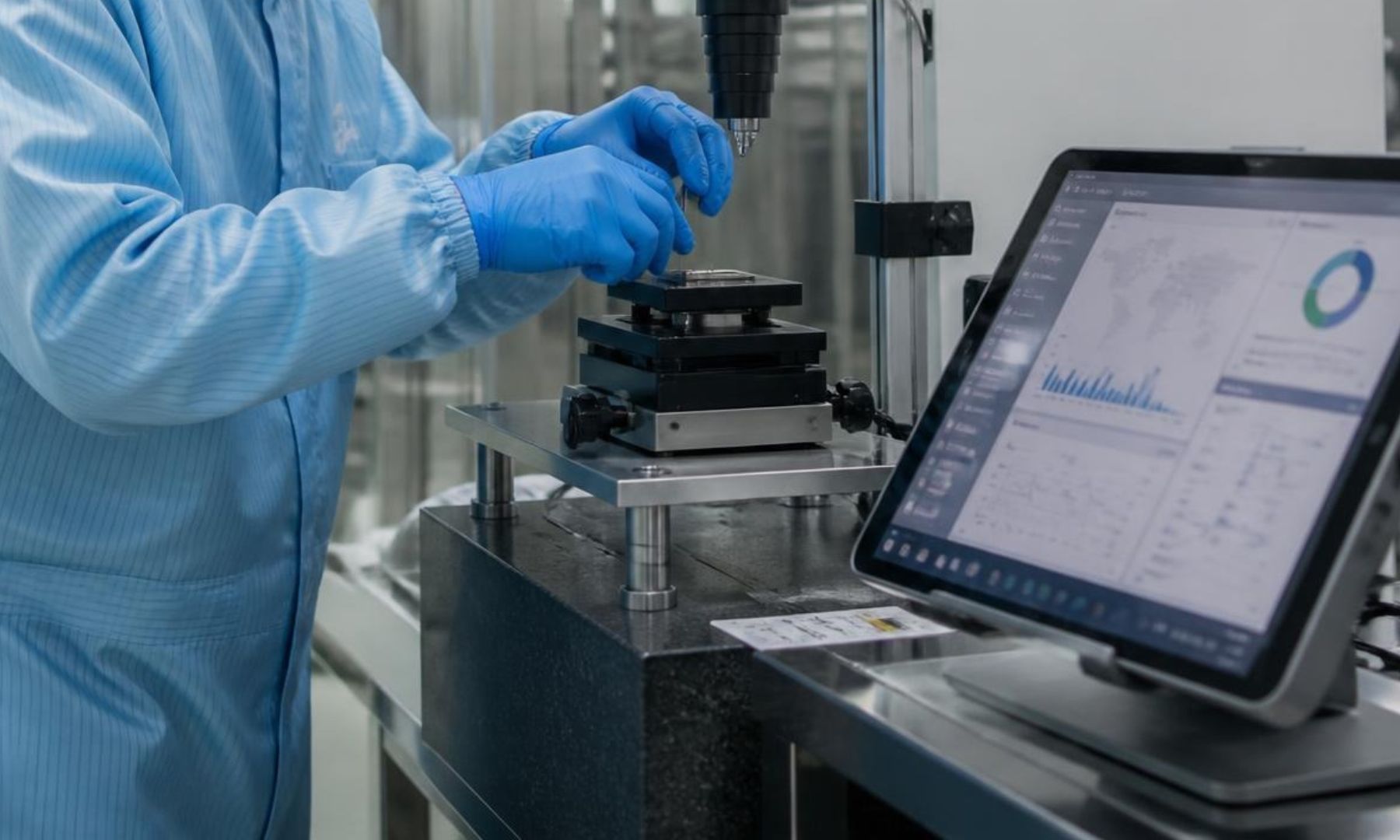
100% of Nulatex condoms undergo electronic pin-hole testing before leaving the production line — a process that applies a low electrical current across the latex wall to detect any microscopic perforations. Condoms also undergo water-leak testing, airburst testing (which verifies material strength and elasticity), and dimensional testing for wall thickness and nominal width. Only units that pass every test advance.
This multi-stage testing protocol is the reason Nulatex holds ISO 4074 certification — the international standard for natural rubber latex male condoms — and ISO 13485 medical device quality management certification.
Stage 5: Foiling and Packaging
Each condom is individually rolled and sealed in a foil wrapper. The sealed foil serves two functions: it creates a hermetic barrier against moisture, UV light, and contaminants, and it creates the air-cushion pocket that keeps the condom protected during storage and transport.
Nulatex is actively reviewing its packaging materials as part of a broader sustainability initiative — moving progressively toward recyclable foil and cardboard carton configurations that reduce plastic content without compromising the critical protective seal. Individual foil wrappers are then packed into boxes and cartons, which are shelf-ready for retail or can be packaged according to OEM brand specifications.
Stage 6: End of Life — Why Natural Latex Closes the Loop
A natural latex condom disposed of in general waste will biodegrade in a composting or natural soil environment within months to a few years — producing no toxic residues, no microplastic fragments, and no persistent environmental contamination. Compare this to polyurethane synthetic alternatives, which persist in landfill for centuries and fragment into microplastics that enter waterways and the marine food chain.
From a living tree that sequesters carbon, through a manufacturing process powered increasingly by renewable energy, to a product that biodegrades cleanly at end of life: the Nulatex condom is as close to a genuinely circular consumer product as currently exists in the sexual health category. Explore the full sustainability case: The Environmental Benefits of Choosing Natural Rubber Latex.
Browse Nulatex’s full range of natural latex products — manufactured sustainably, tested rigorously, and available for private label OEM production for brands that want to bring a genuinely sustainable sexual health product to market.