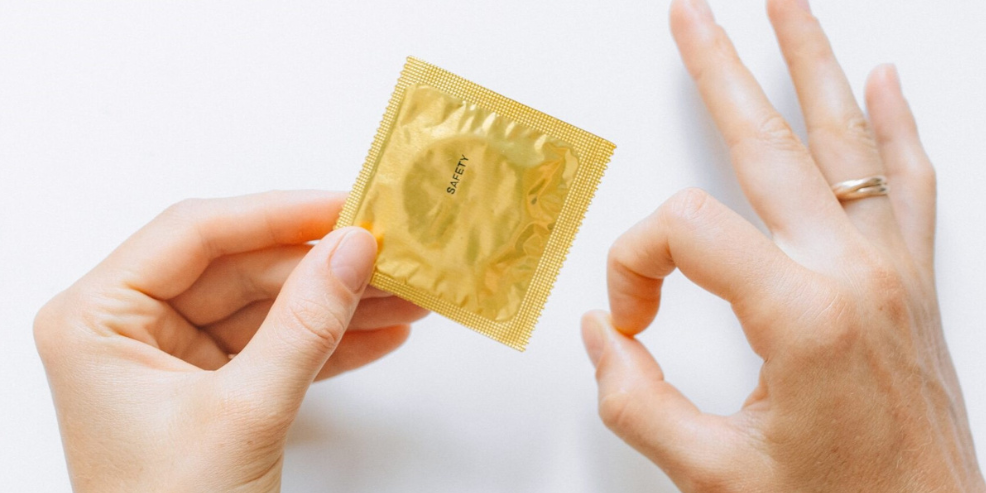
Ask most people whether condoms protect against sexually transmitted infections and the answer is a confident yes. The more accurate answer depends on the infection. Condoms are highly effective against infections that spread mainly through bodily fluids, but they offer only partial protection against those that spread through skin-to-skin contact, such as HPV and genital herpes. Understanding the difference helps people make realistic decisions about risk, and it explains why condoms work best as one layer of protection rather than the only one.
Two Ways STIs Spread: Fluids and Skin Contact
Infections such as HIV, chlamydia, gonorrhoea, and trichomoniasis pass mainly through semen, vaginal fluids, or blood. A condom worn correctly from start to finish acts as a physical barrier to those fluids, which is why the World Health Organization describes correct and consistent condom use as highly effective in preventing most sexually transmitted infections, including HIV.
Other infections, including HPV, genital herpes (HSV), syphilis sores, molluscum contagiosum, and pubic lice, spread through contact with infected skin or mucous membranes. That contact can happen in areas a condom does not cover, such as the base of the penis, the scrotum, the vulva, the inner thighs, and the anal area. Herpes and HPV can also be passed on when there are no visible symptoms at all, which makes them difficult to avoid by sight alone.
How Much Protection Do Condoms Give Against HPV?
HPV is one of the most common sexually transmitted infections. Most types cause no symptoms and clear on their own, but some cause genital warts and some high-risk types can lead to cervical and other cancers. The US Centers for Disease Control and Prevention (CDC) notes that consistent and correct condom use may reduce the risk of genital HPV infection and of HPV-associated diseases such as genital warts and cervical cancer. It also explains that HPV spreads mainly through contact with infected skin, including areas a condom does not cover.
In practical terms, condoms reduce the risk rather than remove it. The most effective protection against the high-risk types is HPV vaccination, combined with regular cervical screening. Condoms are a valuable addition to both, not a replacement.
What About Genital Herpes?
Herpes simplex virus spreads through skin contact, including during periods of viral shedding when no sores are visible. Research shows that consistent condom use is associated with a lower risk of transmission, but not a complete one, because sores or shedding can occur on skin outside the area the condom covers.
Health professionals generally advise avoiding sexual contact during an outbreak or when early warning symptoms such as tingling or itching appear. For people who have herpes, a doctor may also discuss daily suppressive antiviral treatment, which further lowers the chance of passing the virus on when combined with condom use.
Making Condoms Work Harder for You
A condom can only protect if it stays in place and stays intact. A few habits make a real difference:
- Use a condom from start to finish, every time, and consider a dental dam or similar barrier for oral sex.
- Choose the right fit. A condom that is too loose can slip and one that is too tight can tear, as explained in our condom sizing guide.
- Check the expiry date and storage conditions, since the risks of using an old or heat-damaged product are covered in our post on what happens if you use an expired condom.
- Use a compatible lubricant. Oil-based products can weaken latex, so it is worth reading which lubricant ingredients to avoid with latex condoms before you buy.
- If you or your partner have a latex allergy, look into non-latex options, which we cover in our guide to latex allergy symptoms and alternatives.
- Stay up to date with HPV vaccination, screening, and regular STI testing, and talk openly with partners about their status.
Why Manufacturing Quality Matters
Protection only counts if the condom is free from defects. Reliable manufacturers test every unit rather than a sample, a process we describe in how Nulatex electronically tests every condom for quality. At Nulatex, each condom is tested for pinholes and produced in line with ISO 4074, the international standard for natural rubber latex condoms.
Condoms are excellent protection against fluid-borne infections and a meaningful, though incomplete, defence against HPV and herpes. Combining them with vaccination, screening, open communication, and regular testing gives the strongest protection available. Nulatex, established in 2004, manufactures condoms for OEM partners and its own brands, with every unit tested before it ships.
Frequently Asked Questions
Do condoms fully protect against HPV?
No. Condoms can lower the risk of HPV and HPV-related disease, but HPV spreads through skin contact and can affect areas a condom does not cover. Vaccination and regular cervical screening remain the most effective protection.
Can I still get herpes if I use a condom?
Yes. Consistent condom use lowers the risk of passing on genital herpes, but it does not remove it, because the virus can shed from skin outside the covered area, sometimes without visible sores.
Do condoms protect against HIV, chlamydia, and gonorrhoea?
Yes. These infections spread mainly through bodily fluids, and a latex condom used correctly and consistently is a highly effective barrier against them.
Should I get the HPV vaccine if I already use condoms?
Yes. Vaccination protects against the HPV types most likely to cause cancer and genital warts, and it works in a different way from a condom. Ask your doctor about eligibility and the recommended schedule.
Does a condom that fits poorly reduce protection?
It can. A condom that is too loose may slip, and one that is too tight is more likely to tear. Choosing the right size and using it correctly from start to finish helps it do its job.