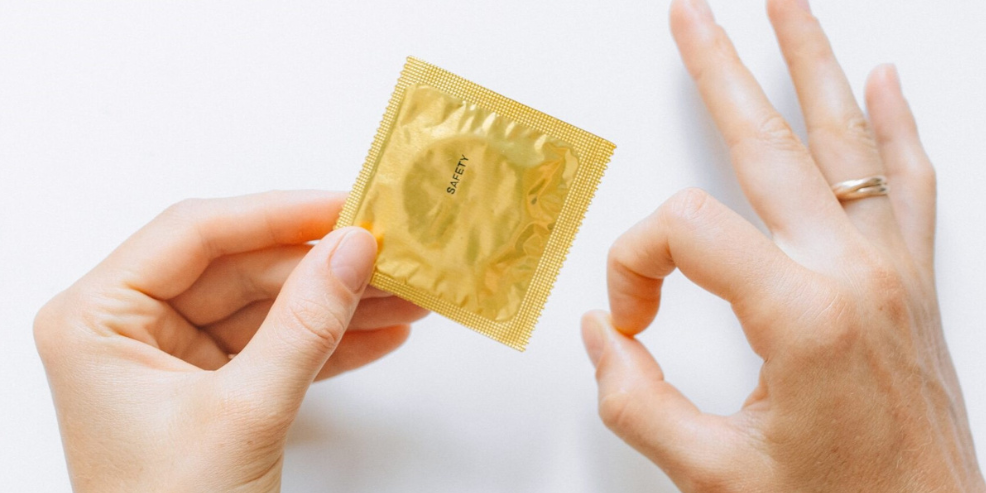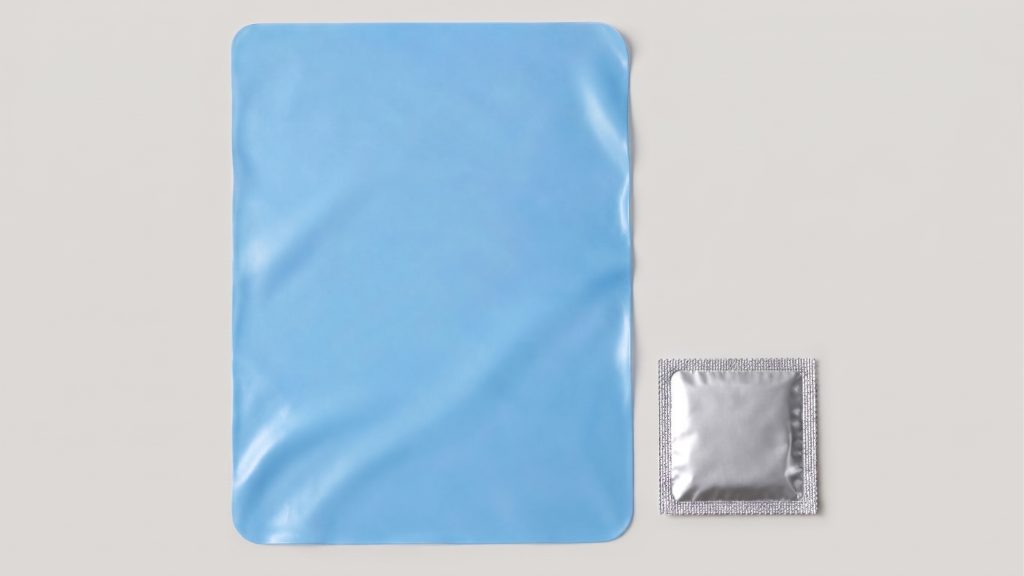
Oral sex is a common part of intimacy, but it can still pass on infections. A dental dam, a thin sheet of latex placed between the mouth and the skin, lowers that risk. When there is no dental dam to hand, some sexual health organisations describe a cut-open condom as a last-resort alternative. It can work in a pinch, but it comes with limits. This guide explains how the method works, where it falls short, and why a purpose-made dental dam is the safer choice.
Why Use a Barrier for Oral Sex at All
Infections such as herpes, HPV, syphilis, gonorrhoea, and chlamydia can be passed on through oral contact with the genitals, and oral-anal contact can transmit gut infections as well. Herpes and HPV can also spread when there are no visible symptoms, which is why checking by eye is not enough. A barrier reduces direct contact with skin and bodily fluids, though it does not remove the risk entirely. Our guides to dental dams for beginners, dental dams 101, and safer oral sex with latex dental dams cover the basics.
How to Make a Dental Dam from a Condom (Emergency Method)
Use this method only when a purpose-made dental dam is not available. It works with a latex condom, and the steps are as follows:
- Choose a new, in-date latex condom in an undamaged wrapper. Plain or lightly lubricated is best. Avoid condoms with spermicide, or with warming or desensitizing ingredients, such as delay condoms, because these can irritate and numb the mouth.
- Open the wrapper with your fingers, not teeth or scissors, and unroll the condom fully so you can check it for tears.
- Using clean scissors, cut off the tip and the rolled ring at the base, taking care not to nick the latex.
- Cut lengthwise along the tube so that the condom opens out into a flat rectangle.
- Place the sheet flat over the area before any contact and hold it in place at the edges. Keep the same side facing the skin throughout.
- Discard it after use. Never reuse it and never flip it over.
Limits and Risks of the DIY Method
- Size and coverage: a cut condom is small and can slip, so it may not cover the whole area.
- Nicks and tears: scissors can create small cuts that are hard to see but can widen during use.
- Not made for this purpose: a condom is designed and tested as a closed tube, not as a cut sheet.
- Ingredients: lubricants, flavourings, spermicides, and anaesthetics in some condoms can taste unpleasant or cause irritation.
- More steps, more errors: unrolling, cutting, and flattening add chances for mistakes, especially in the moment.
- Latex allergy: the method uses latex. If you or your partner have a latex allergy, read our guide to latex allergy symptoms and alternatives first.
Why a Purpose-Made Dental Dam Is Safer
A purpose-made dental dam is a flat sheet of thin latex, made to be used as a barrier from the start. It needs no cutting, so there are no accidental nicks. It is larger, which makes it easier to cover the area and to hold in place, and it is designed with the thickness and handling of this use in mind. It is also quicker and less awkward to use, which makes people more likely to use it consistently. Nulatex manufactures latex dental dams as a safe, thin latex barrier, and our article on why dental dams are the most underrated barrier method explains why they deserve more attention.
Using a Dental Dam Correctly
- Check the expiry date and make sure the packaging is intact before opening.
- Place the dam flat over the area before any contact, and hold it at the edges so it does not slip.
- Keep the same side against the skin throughout, and do not move it around or turn it over.
- If you want extra comfort, apply a water-based or silicone-based lubricant to the skin side. Avoid oil-based products, which can weaken latex. Our guide to using lubricants with condoms and dental dams explains what works best.
- Use a new dam for each act and each partner, and switch to a fresh one if you move between different areas, for example from the vulva to the anus.
- Discard it after use, and never reuse it.
Other Barrier Options for Different Types of Contact
A dental dam is one of several barriers. Condoms protect during penetrative sex and can be used for oral sex on a penis, while finger condoms provide a barrier for manual play, as compared in our guide to finger condoms vs. traditional condoms. For any barrier, the same rules apply: use it from start to finish, check it is in date, and use a fresh one each time.
A cut condom can serve as an emergency dental dam, but it is a workaround, not a substitute. For regular use, a purpose-made dental dam is easier to use correctly and was designed for the job. Combined with regular testing and open communication with partners, it is a simple way to lower risk.
Frequently Asked Questions
Can I use a condom as a dental dam?
In an emergency, a latex condom cut open into a flat sheet can work as a barrier. It is not ideal, though, because it is small, easy to nick when cutting, and not designed for this purpose. A purpose-made dental dam is safer.
Is plastic wrap a safe substitute for a dental dam?
We do not recommend it. Kitchen plastic wrap is not made or tested as a medical barrier, and there is limited evidence on how well it works. Use a dental dam, or a cut latex condom if nothing else is available.
Do dental dams prevent all STIs?
No. They lower the risk of infections spread through oral contact, but they only protect the skin they cover. Infections that spread by skin-to-skin contact can still pass on outside the covered area.
Can I reuse a dental dam?
No. Use a new dental dam for each act, and discard it afterwards. Reusing a dam, or flipping it over mid-use, defeats its purpose as a barrier.
Which lubricant can I use with a latex dental dam?
Use a water-based or silicone-based lubricant. Avoid oil-based products such as baby oil or petroleum jelly, which can weaken latex.
This article is for general information only and is not a substitute for advice from a qualified healthcare professional.