Probe covers are often treated as one product, but the right choice depends on the procedure. A cover that suits a routine transvaginal scan may be too short or too thin for a transrectal biopsy, and neither is appropriate inside a sterile surgical field. Clinics and distributors that understand what changes for each procedure can choose covers that protect patients, fit the probe, and keep images clear. This guide explains what to consider for transvaginal, transrectal, and intraoperative ultrasound.
What Determines the Right Probe Cover
Three factors drive the choice. The first is the tissue the probe contacts: intact skin, mucous membranes, or sterile tissue. The second is the probe’s shape and any accessories, such as a needle guide. The third is the setting, whether that is a clinic room or an operating theatre. Infection-control frameworks generally classify equipment by the tissue it touches, which is why intraoperative probes face stricter requirements than endocavity probes. The general guidance below is a starting point, and the probe manufacturer’s instructions and your facility’s infection-control policy always take priority.
Transvaginal Ultrasound Probe Covers
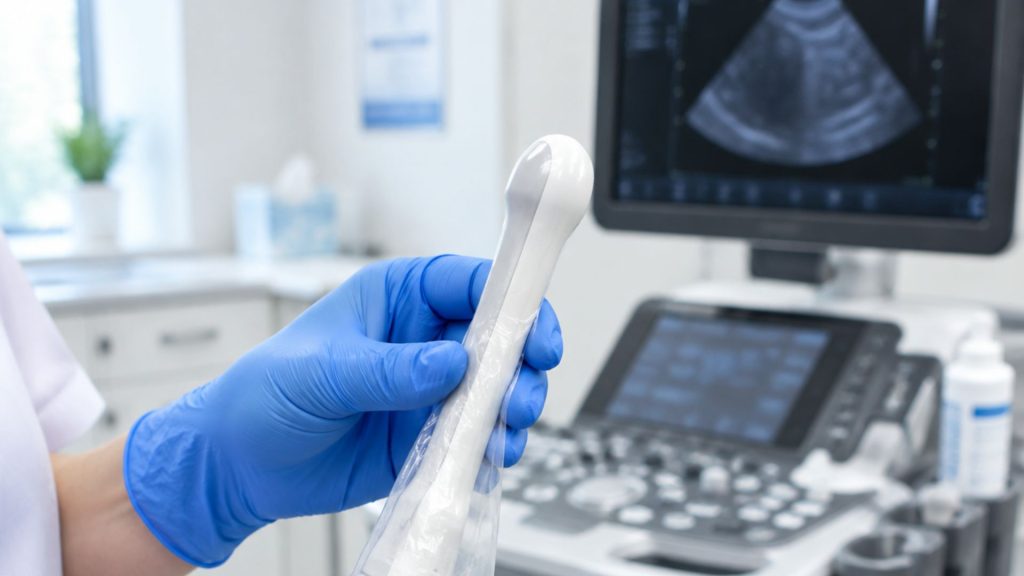
Transvaginal (endovaginal) probes contact mucous membranes. A probe cover reduces the risk of contamination between patients, but it does not replace proper cleaning and disinfection of the probe between uses, as our guide to ultrasound probe covers and hygiene explains. Many clinics choose sterile probe covers for endocavity work, depending on their policy and procedure.
- Fit: these probes are slim and high-frequency, so a snug, wrinkle-free rolled probe cover works best. Folds across the face trap air and affect the image.
- Gel: apply gel inside the tip before unrolling the cover, and on the outside for contact with the patient. Pour slowly to avoid bubbles.
- Smoothing: gently smooth the cover from the tip towards the handle to push out trapped air. Our post on how probe covers affect ultrasound image quality explains why air, not the cover itself, is the usual cause of poor images.
- Materials: natural rubber latex is thin and conforms closely to the probe. Where patients or staff have latex allergies, non-latex options are needed.
Transrectal Ultrasound Probe Covers
Transrectal (endorectal) probes are used for prostate and rectal imaging. They contact mucous membranes like transvaginal probes, but they are often longer and firmer, and they are frequently used together with a needle guide for biopsy.
- Length and strength: choose a probe cover long enough to cover the handle and part of the cable, and strong enough to withstand insertion.
- Needle guides: a needle guide can catch and tear thin film, so handle the cover carefully and inspect it before and after fitting.
- Biopsy procedures: where a needle is involved, facility protocols generally call for sterile probe covers and sterile gel. Follow your own policy.
- Gel and comfort: apply gel inside and outside the probe cover, and check for folds before the scan begins.
Intraoperative Ultrasound Probe Covers
Intraoperative probes are used within the sterile field, where they may contact sterile tissue or open wounds. This is the highest level of risk, and it is where the requirements change most.
- Sterility: a sterile cover or sheath is generally required, applied using aseptic technique and sterile gel.
- Purpose-made sheaths: intraoperative probes generally need purpose-made sterile sheaths rather than standard rolled probe covers, with enough length to cover the probe and cable.
- Application: fitting is usually a two-person task, with an assistant holding the probe so the sterile operator does not touch non-sterile surfaces.
- Integrity: inspect the sheath for tears or leaks before and during the procedure, because a damaged probe cover defeats its purpose.
What Changes at a Glance
- Transvaginal: slim, snug, wrinkle-free rolled cover, gel inside the tip, and sterile or non-sterile depending on policy.
- Transrectal: longer, stronger probe cover, extra care with needle guides, and sterile probe covers and gel for biopsy.
- Intraoperative: sterile, purpose-made sheath, aseptic application, and extra length for the cable.
Common Mistakes Across All Three Procedures
- Treating the probe cover as a replacement for cleaning and disinfection. Our guides to best practices for ultrasound hygiene and probe covers vs. standard disinfection explain how the two work together.
- Using a non-sterile probe cover where the protocol calls for a sterile one.
- Choosing the wrong size or length, which creates folds, air pockets, or exposed cable.
- Skipping the check for tears, or forgetting to remove air bubbles after fitting.
- Overlooking latex allergy in patients or staff.
- Storing covers in heat or direct light, which can degrade latex over time.
Choosing a Supplier
When comparing suppliers, ask about the quality system, film thickness consistency, size options, and sterile packaging where needed. A manufacturer operating under ISO 13485, as discussed in our guide to condom and latex device regulations, has documented controls for traceability and complaints. Clinics and distributors should also ask for samples so they can test fit and image performance on their own equipment. Learn more about the Nulatex probe cover range or about OEM and private-label options.
The right probe cover depends on the procedure: snug and wrinkle-free for transvaginal scans, longer and stronger for transrectal work, and sterile and purpose-made for intraoperative use. In every case, a probe cover supports infection control but does not replace cleaning and disinfection. Nulatex manufactures probe covers in Malaysia under an ISO 13485 quality system, supplying OEM and private-label partners worldwide.
Frequently Asked Questions
Do transvaginal and transrectal probes need the same probe cover?
They often use a similar rolled style, but transrectal probes are usually longer and firmer, and are often used with needle guides. That calls for a longer, stronger probe cover and extra care to avoid tearing.
Does an intraoperative ultrasound probe need a sterile cover?
Yes, in general. Intraoperative probes are used in the sterile field, so a sterile, purpose-made sheath applied with aseptic technique is typically required. Always follow your facility’s policy.
Does a probe cover replace high-level disinfection?
No. A probe cover reduces the risk of contamination, but the probe still needs proper cleaning and disinfection between patients, in line with the manufacturer’s instructions and your facility’s policy.
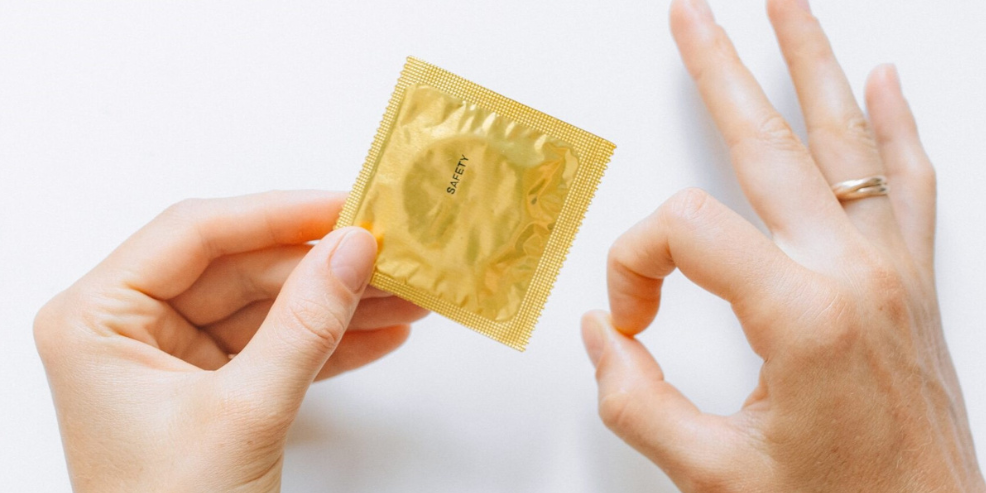
Can I use a condom as a probe cover?
Purpose-made medical probe covers are manufactured and sized for transducers and are generally the preferred option. Any alternative use should follow your facility’s infection-control policy and the probe manufacturer’s instructions.
What if patients or staff have a latex allergy?
Use a non-latex probe cover. Clinics that see patients with latex allergies should stock non-latex options for each probe type.
This article is for general information only. Always follow the probe manufacturer’s instructions and your facility’s infection-control policy.