When people choose a condom, they often describe their priorities as “thin” or “barely there.” But what does that actually mean scientifically? The experience of sensitivity during intimacy is not simply about reducing material thickness — it is the result of several physical properties working in harmony. Natural rubber latex, derived from the Hevea brasiliensis tree, is uniquely positioned to deliver all of them at once. As Malaysia’s leading latex condom manufacturer, Nulatex has refined this science through decades of precision manufacturing.
The Three Pillars of Tactile Sensitivity
To understand why a condom feels the way it does, we need to look at three measurable physical properties:
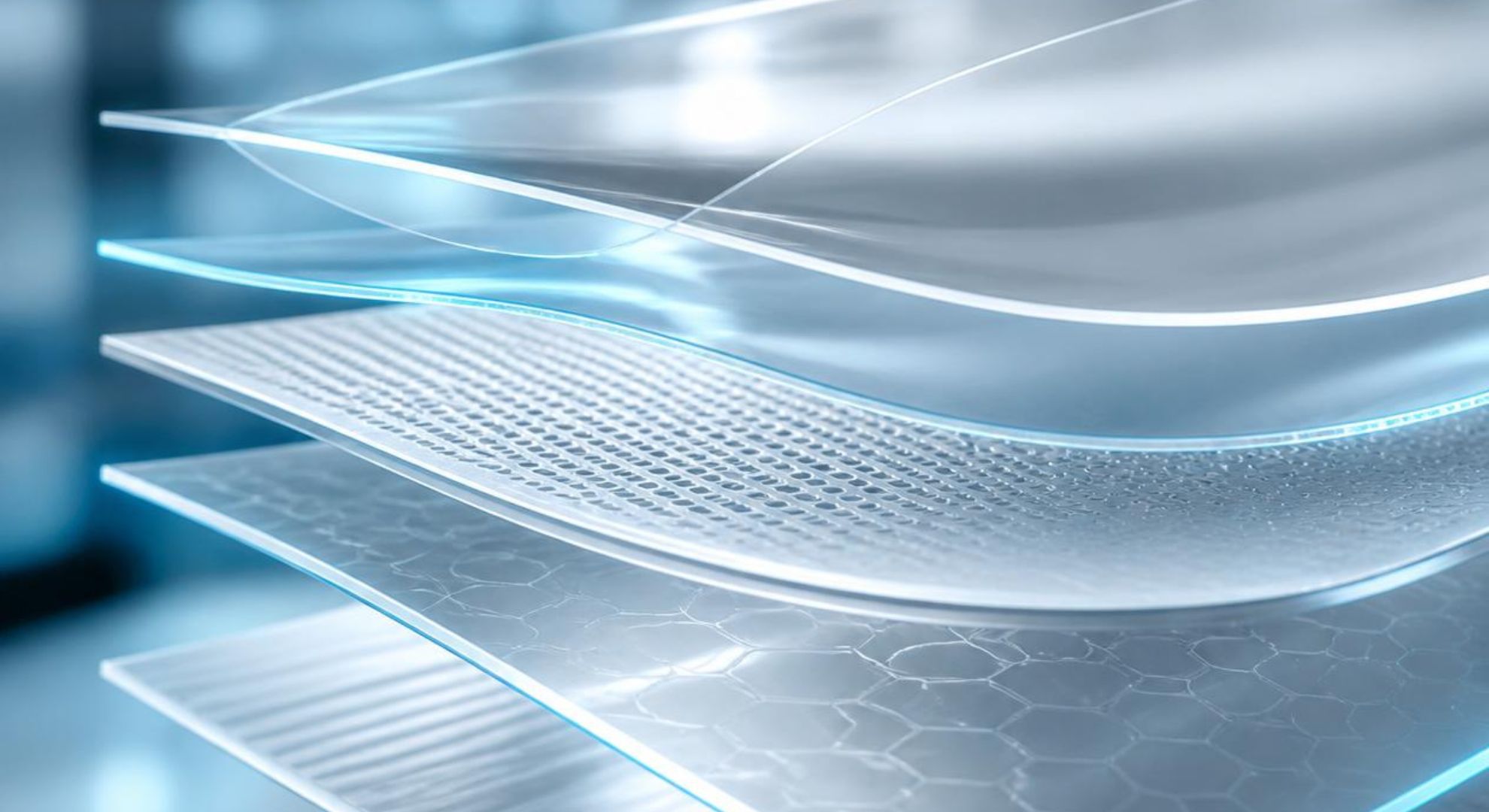
- Wall Thickness: A premium ultra-thin natural latex condom can be manufactured to under 0.05mm. At this thickness, the material transmits pressure and sensation with minimal interference. This is the “barely there” feeling consumers describe.
- Elasticity and Elongation: Natural latex can stretch to over 800% of its original length before breaking. This extraordinary elasticity means the condom conforms precisely to body shape, creating a second-skin effect rather than a loose barrier. Synthetic alternatives like polyurethane are far less elastic and can feel rigid or misaligned.
- Thermal Conductivity: This is the most overlooked factor. Natural latex is an excellent conductor of body heat. Within seconds of contact, the material warms to body temperature, effectively becoming “invisible” to the nervous system. Synthetic plastics retain a cooler temperature for longer, which can disrupt the sensory experience.
Why Thickness Alone Does Not Tell the Full Story
Marketing often focuses on millimetre measurements, but a condom with irregular wall thickness can be technically “thin” on average yet create uneven pressure points that interrupt sensation. Nulatex’s OEM manufacturing process uses precision dipping technology to ensure uniform thickness across every single unit — from the tip to the base.
The result is a consistent sensory experience: no dead spots, no pressure inconsistencies, just a smooth and natural transmission of touch.
The Role of Lubrication in Enhancing Feel
The lubricant applied to a condom also plays a critical role in perceived sensitivity. Silicone-based lubricants, commonly used in standard condoms, create a “slippery” sensation that can reduce nuanced tactile feedback. Premium water-based lubricants, by contrast, more closely mimic the body’s natural lubrication, allowing for genuine skin-like sensation transfer.
Nulatex ultra-thin condoms are pre-lubricated with a premium formula, chosen specifically to enhance — not mask — the tactile experience. Explore our full range of compatible personal lubricants to further elevate intimacy.
Natural Latex vs. Synthetic: A Side-by-Side Comparison
- Natural Rubber Latex: Extraordinary elasticity (800%+ elongation), excellent heat conductivity, uniform thinness achievable, biodegradable
- Polyurethane (Plastic): Lower elasticity, slower to warm, can feel less conforming, non-biodegradable
- Polyisoprene (Synthetic Latex): Better than polyurethane but still inferior to natural latex in heat transfer and elongation
For the best combination of safety, sensation, and sustainability, natural rubber latex remains the gold standard. Read more about how Malaysia became the world’s condom manufacturing hub and why natural latex leads the way.
Pro Tip: Apply a few drops of water-based lubricant to the inside of the condom before rolling it on. This small step significantly increases sensitivity for the wearer by allowing the condom to move slightly with the skin.