Many people choose a lubricant based on the “feeling” or the “scent.” However, from a biological perspective, the most important characteristic of a lubricant is its chemistry. Using the wrong product can turn a pleasurable moment into days of discomfort.
The Science of pH Balance
The vagina is naturally acidic (pH 3.8 to 4.5). This acidity is maintained by beneficial bacteria called Lactobacilli, which produce lactic acid to keep harmful pathogens at bay. If a lubricant has a high pH (alkaline), it “neutralizes” this acid.
The Result: Without that acidic shield, yeast and “bad” bacteria can multiply rapidly, leading to yeast infections or Bacterial Vaginosis.
Understanding Osmolality (The Hidden Danger)
Beyond pH, there is a concept called osmolality. This refers to the concentration of dissolved particles in the lubricant.
High-Osmolality Lubes: If a lubricant is too concentrated, it actually “sucks” moisture out of the vaginal cells to try and balance the levels. This causes the cells to shrivel and die, leading to irritation and making the tissue more susceptible to STIs.
Iso-Osmolar Lubes: These are designed to match the body’s natural moisture, ensuring the tissues stay hydrated and healthy.
The Nulatex Recommendation
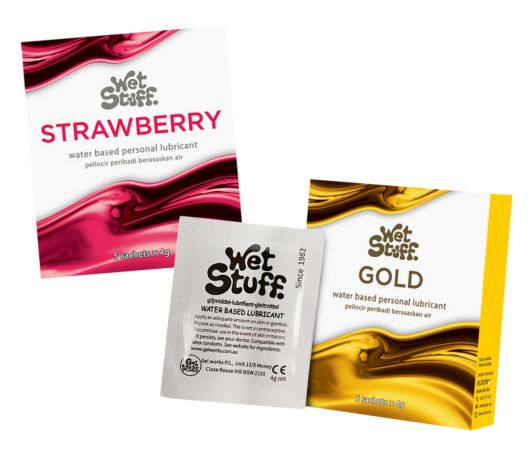
We recommend water-based, pH-balanced lubricants that are free from harsh sugars and oils. Products like Wet Stuff are formulated to work with your body’s biology, not against it.
Health Tip: Always rinse the external area after intimacy, but allow your body’s internal pH-balanced lubricant to do its job without “douching,” which can further disrupt your flora.